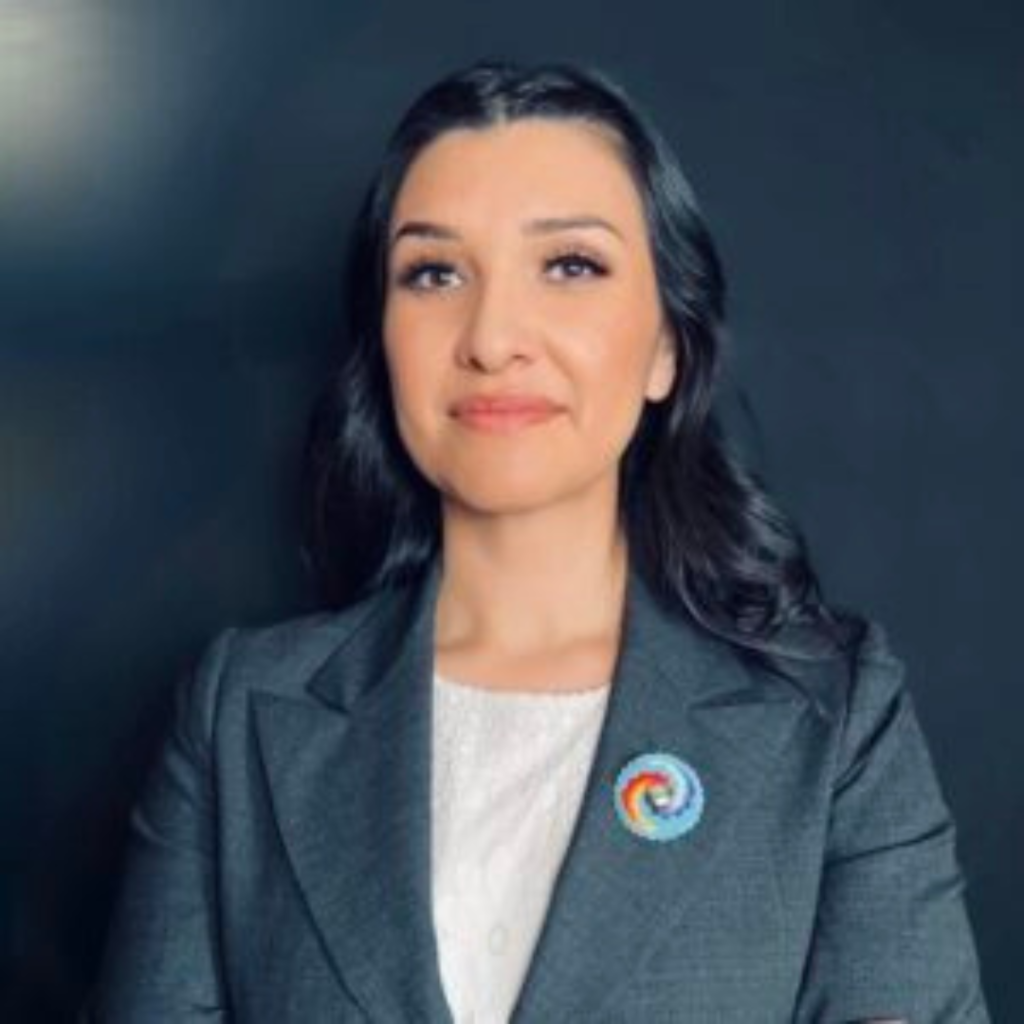
Souta Calling Last, MA-Change Management, Founder & Executive Director, Cultural Humility Trainer, Blackfeet & Blood
Souta is the Founder and Executive Director of Indigenous Vision. For 20 years she has focused her efforts on water quality, mining contamination clean-up, and water-treatment. She has a lifelong commitment to environmental stewardship and has experience in groundwater monitoring, watershed health, and community participatory-based research. She believes that land and Indigenous people are inextricably linked and that sustainable land management must include Indigenous perspectives. In 2018, Souta was chosen for a Boldly Better Roddenberry Fellowship to pursue her interactive map of social, environmental, and significant historical places. A graduate of the University of Montana and the University of Phoenix, Souta holds a BA in Environmental Studies-Water Resources and a MIM in Innovative Leadership and Change Management. She is the project lead for the Environmental Stressor and Environmental Contaminant Working Dog Project, where the project focus is one of the few entities inquiring into the causes of CWD, contaminant, and disease susceptibility, as a result, Souta currently sits on the Center of Disease Control Center of Research & Policy International Working Group of Experts working on Chronic Wasting Disease.

Melissa Spence, MMIWG2S Director, Media & Audio Producer, Coach, Facilitator, Anishinaabe/Ojibway
Melissa is a professionally trained, award winning broadcaster, and professional coach, who is enrolled in the Lake Manitoba First Nation of Canada. She is an Anishinaabe Ojibway (Turtle Clan) from both her beloved parents and now calls Las Vegas home. With 17 years of professional radio to her credit, Melissa has been a part of several Indigenous broadcast programming on local, regional and national levels. Her love and passion for music led her to the radio industry where she thrived as a popular morning show personality, contributed as a juror to local and national music organizations (CARAS), developed an Indigenous Youth radio station Streetz/Rhythm 104.7 (CIUR), hosted the first ever Indigenous Music countdown show (@IMCountdown) on SIRIUS XM (channel 165) and served as the first-ever female Indigenous music programmer in Winnipeg at CIUR – Rhythm FM. A social media starlet, animal lover, and host of IVMusic Episodes, Melissa now shares her talents with Indigenous Vision where she is happy to be a part of this adventure.
Jacqueline Faye Poley
Youth Coordinator
Hopi
Faye is Hopi (greasewood clan) from the Village of Bacavi, located in northern Arizona. She graduated from Hopi High School in 2019 with extracurricular experience in youth leadership and development. Her vision is to inspire other Indigenous youth to be active and to make a change, big or small. As the Youth Coordinator for Indigenous Vision, Faye is excited to help develop our communities into healthy thriving environments.
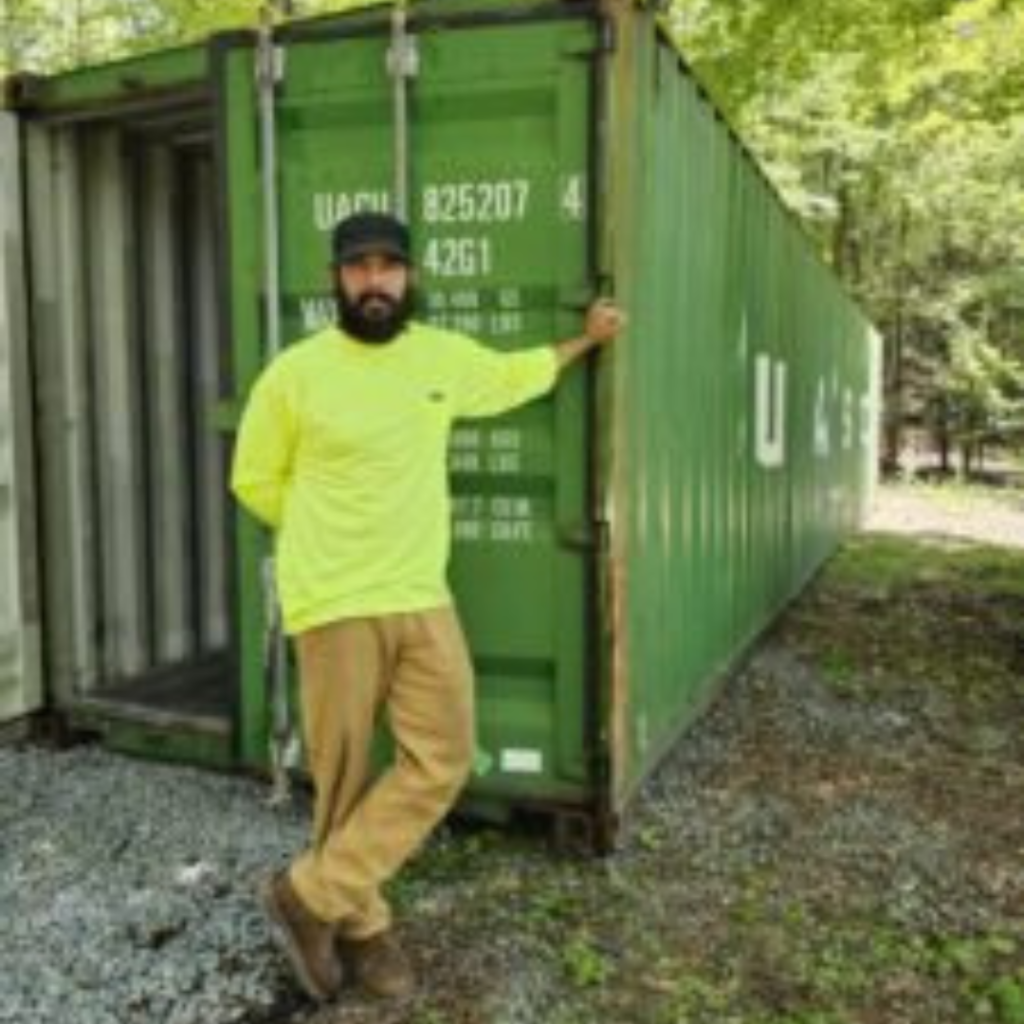
Kenneth Cook
Food Forest Director/Caretaker
Onondaga, Beaver Clan
Kenneth is the Director and Caretaker of the Beaver Lodge Food Forest where he is working to remove invasive species, clean the illegal dumps, and assess soil and water to ensure that Indigenous Food Gardens are grown at the quality needed for traditional foods, medicines, and subsistence living. The property is like other experimental forests owned by forestry departments at universities except this one is stewarded with Traditional Ecological Knowledge where we hope many different TEK methods, from local Indigenous researchers and universities will be applied to determine efficacy and protective levels for traditional foods and the associated impacts from climate, invasives, and diseases already present in the region. The Food Forest is one of the newest projects of IV and is in need of your support! Visit the Project Page for more information.
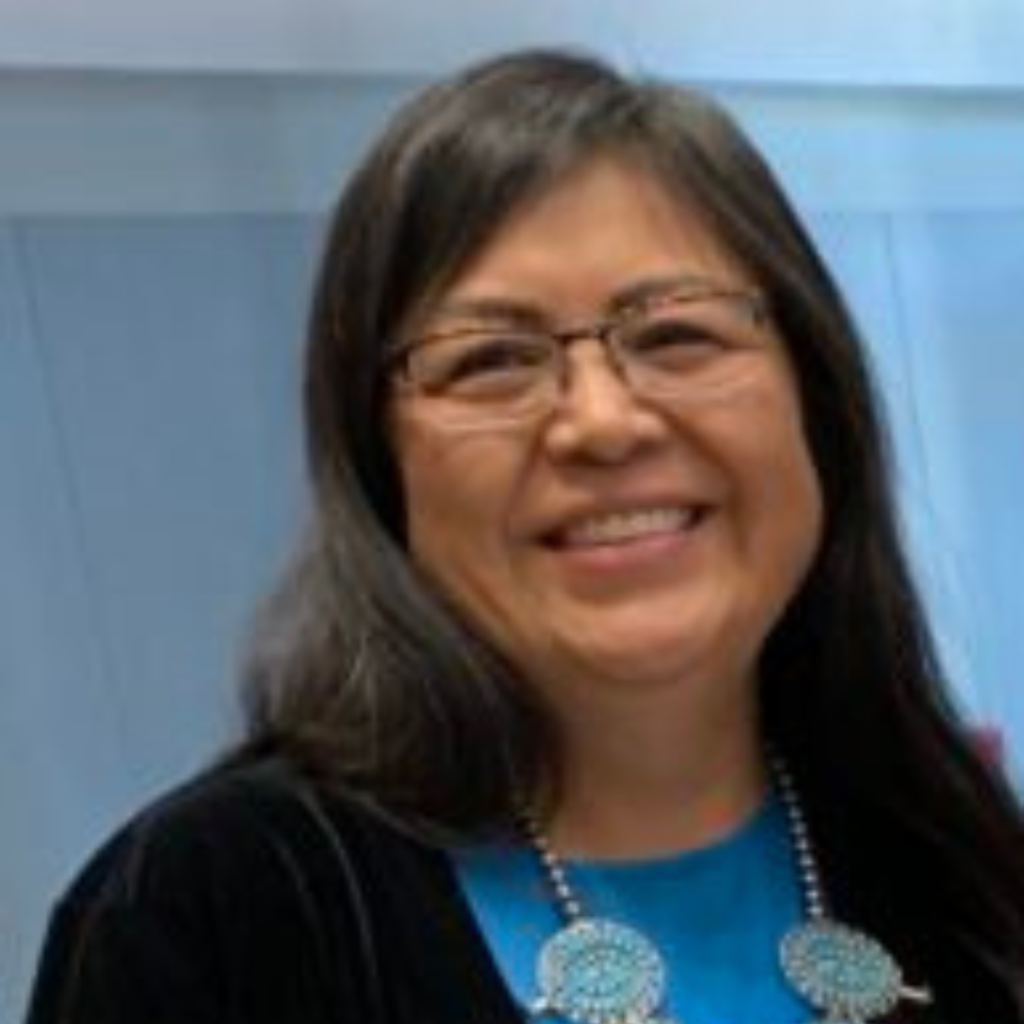
Elaine H. Wilson, CPM
Environmental Consultant, Project Planner
Diné
Yá’át’ééh, I am Diné and Principal Consultant of Elaine H. Wilson Consulting LLC. I am Táchii’nii (Red Running Into The Water People Clan), born for the ‘ÁshĮĮhíí (Salt People Clan), and my maternal grandfather is Kinłichii’nii (Red House People Clan), and my paternal grandfather is Tódích’íi’nii (Bitter Water Clan). I grew up on the Navajo Nation and was taught traditional ways of life through songs, prayers, dances, corn grinding, etc. This early grounding set a foundation for my traditional ecological knowledge and understanding. I have 30 years of professional experience working with tribal communities in environmental protection, environmental health, natural and cultural resources protection, stewardship, sustainability and emergency preparedness. I worked for the Inter Tribal Council of Arizona, Inc. (ITCA) for over 25 years, and in recognition for the work accomplished at ITCA, I received the Conner Byestewa, Jr., Environmental Award in 2015. It’s an award made in Mr. Byestewa’s honor to recognize the efforts of individuals that have made and strengthened tribal self-government and improved human health and environmental conditions within Indian country in EPA Region 9. I am a graduate of Arizona State University (ASU), Project DreamCatcher and a Certified Public Manager (CPM). In addition to serving as a board member of Indigenous Vision, I also serve on the ASU Environmental Engineering Advisory Board.
Board of Directors
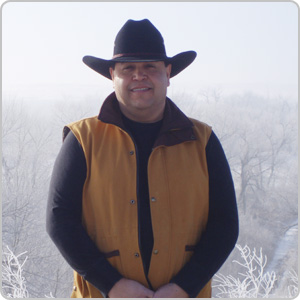
Harley Bastien
President
Piikani
Harley is a member of the Piikani Nation, in Brocket, Alberta. He currently serves as President of Harmony Walkers Inc., an environmental consulting company that provides an Integrated Traditional Ecological and Contemporary Environmental Knowledge Model, describing the special bond with Nature as a life force. Traditional Environmental Knowledge (TEK) embraces traditions in ecological knowledge and natural resource use. By means of environmental monitoring and stewardship, the HWI approach encourages self-reliance and enhances the self-esteem of indigenous peoples within a development context. Fundamental to the approach is the notion of spirituality, the key to unlocking ethical considerations surrounding environmental questions. Other key elements include public consultations with Indigenous peoples, promotion of traditional conflict resolution and negotiation mechanisms for environmental disputes, intergenerational transfer of knowledge and curriculum development, participatory data collection and analysis, examination of the socio-economic and cultural impact of development projects on local Indigenous people, focus on the process as opposed to the specific content of traditional knowledge (e.g. consensus-building around environmental management issues), ensuring that intellectual property rights of Indigenous peoples are protected and respected such that their communities reap the benefits of TEK. HWI maintains offices in Brocket and Calgary, Alberta.
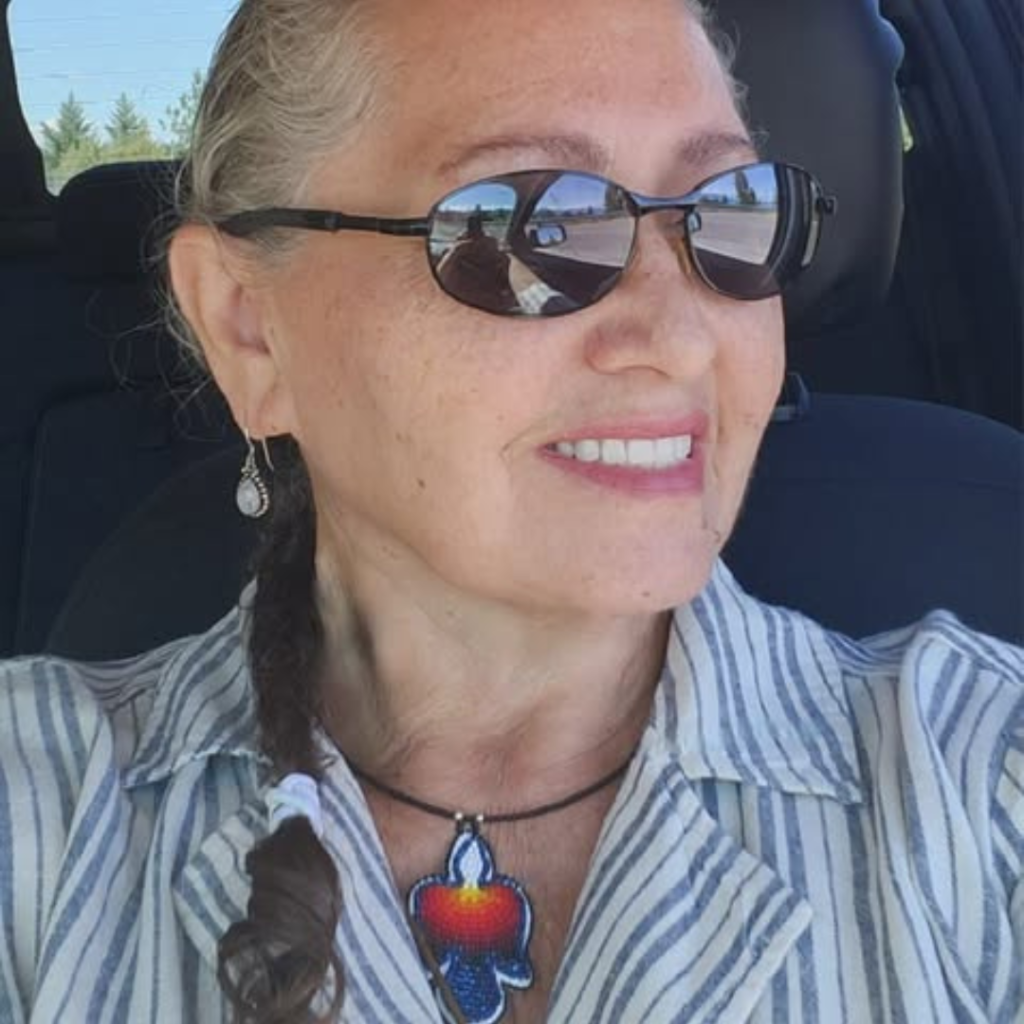
Dr. Ren Freeman, PhD, Eastern Shoshone, Cree
Ren Freeman, an Eastern Shoshone woman from the Wind River reservation in Wyoming, is a 4-fielded Indigenous Anthropologist who has a thirty-plus year career prior to returning to graduate school to finish her doctorate, at the University of Montana (UM). She is often seen traveling and “in the field” with her faithful companion, her Beagle-boy Foley. Ren is also a professor for UM, teaching a Core Required Anthropology course titled, Culture and Society with an emphasis on effects of Globalization on world cultures—this course has also been articulated within the UM International Development Studies program. Ren also designed and teaches a course for the UM Native Studies Program, from an Indigenous perspective, that surveys Oral and Written Traditions of Indigenous Peoples. She is a Sloan Indigenous Program scholar and her dissertation research seeks to Understand Impacts to Indigenous Knowledge Systems (IKS) from use of remote sensing technologies and GIS within landscape archaeological surveys, and their influences on Indigenous Practitioner use of ITEK and also Tribal Leader decision making regarding cultural heritage and natural resource management. subjects and learning. Additionally, Ren is the President and Chair of the intercontinental American Indigenous Research Association (iAIRA) which has a global membership centered around development and use of IRM.
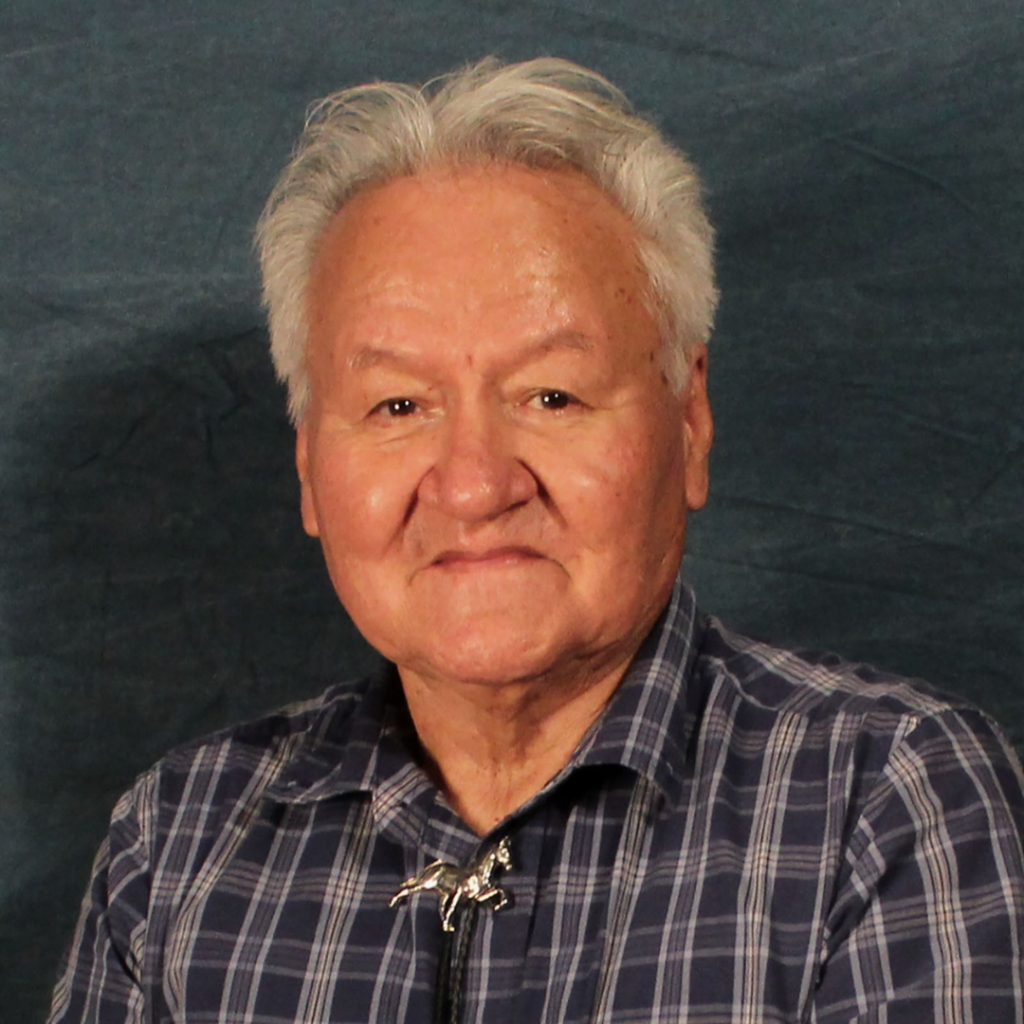
Don Decker, Apache
Don Decker is an Apache multimedia artist, journalist, and documentary photographer who resides on the Yavapai-Apache Nation in Camp Verde, Arizona. He enrolled in the Herron School of Art in Indiana University, developing professional skills in art by working on J.C. Penney’s window-dressing team and for a screenprinting company while attending classes. He later transferred to Lakeland Community College and then Eastern Illinois University to finish his degree in 1971. In 1971, Decker began teaching art at the Fairview Heights William Holliday School, then shifted to school counseling with a focus on Native students. He became Indian Counselor at Eastern Arizona Junior College in Thatcher, Arizona in 1974 and went on to study Education at Northern Arizona University with a focus on school counseling and guidance services, graduating with his masters in 1977. Decker took on journalism in the 1990s by writing for the Navajo-Hopi Observer and producing his own television magazine show called Indian Country USA from 1992-1994. The show centered on Southwest Native communities and aired on KNAZ, an affiliate of NBC in Flagstaff, Arizona on a weekly basis for two years. He later became the Director of the Apache Culture Department of the Yavapai-Apache Nation and then the Director of their Public Relations Department before shifting to consulting around cultural resource management. He then worked in counseling at various colleges and universities across Arizona. He also taught art in East St. Louis, Missouri and on the Navajo Reservation. He formally retired from teaching in 2000.
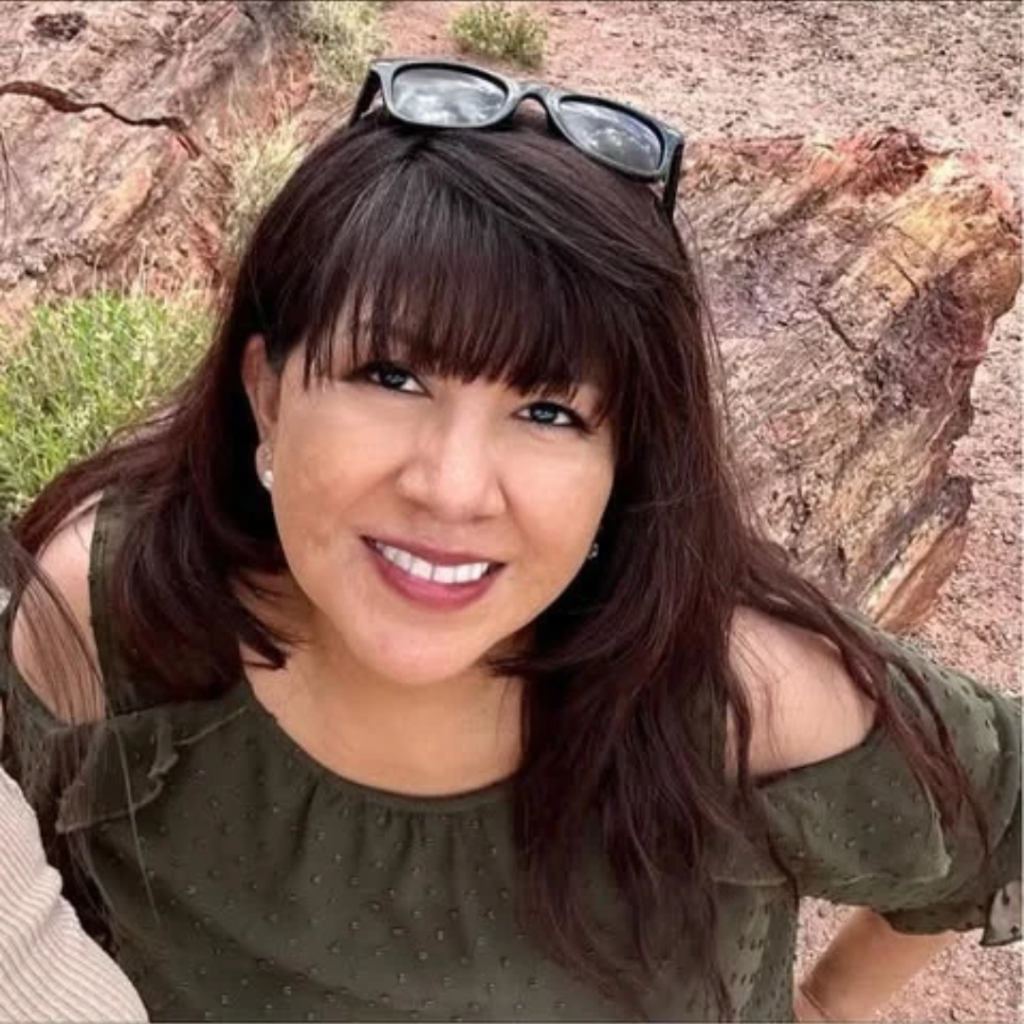
Edith Thomas, Akimel O’otham (Pima)
Biography coming soon…
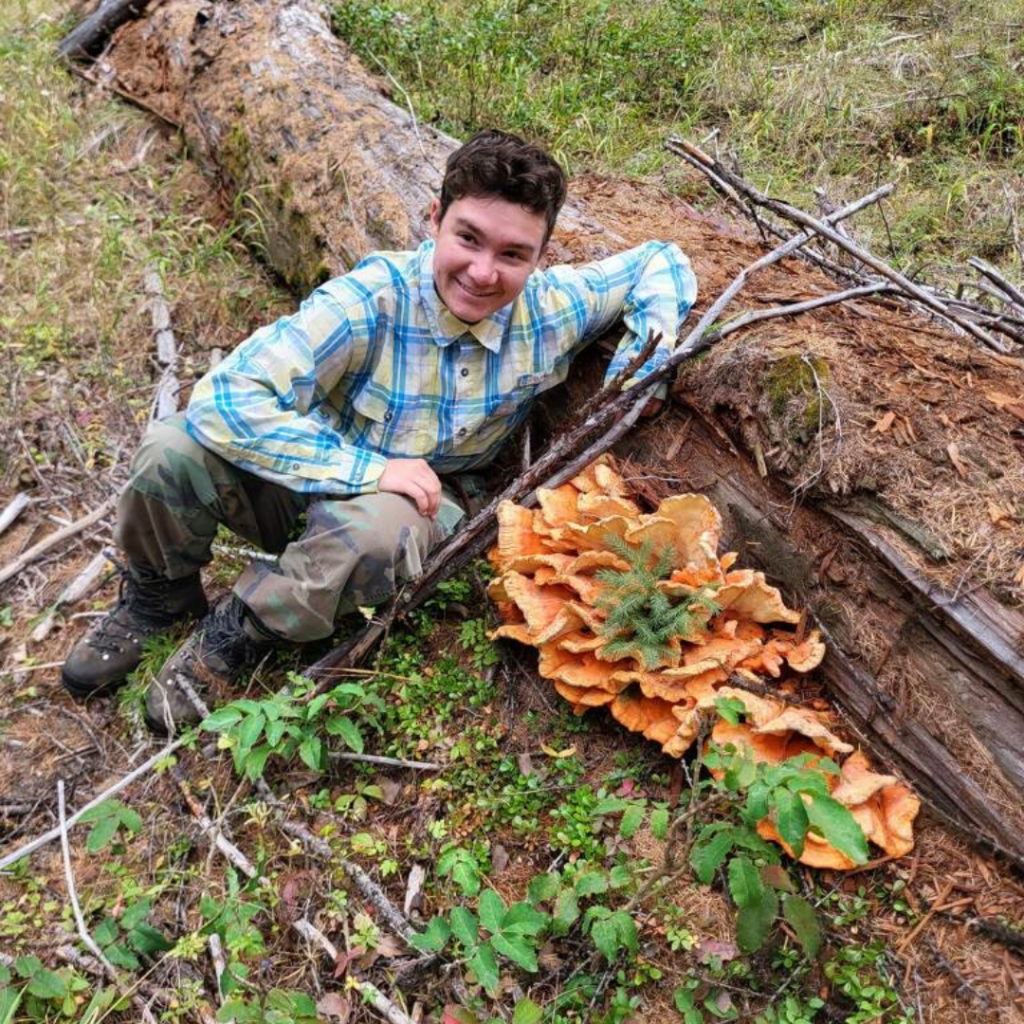
Riza McClurkin, MA, BA
Riza graduated from the University of Oklahoma in 2019 with a BA in Anthropology, focus on Cultural Anthropology, and a BA in German Language. McClurkin has worked for Rebecca Hawkins at Algonquin Consultants, an Indigenous run cultural resource management company, since 2020 as both a field worker on cultural sites and online digitizing field data and transcribing interviews of Indigenous elders and respected community members from various tribes. Graduating from the University of Montana in 2024 with an MA in Anthropology, specializing in Ethnobotany. U of M is where they were able to meet Souta and got to work on her trail project, which they incorporated into their masters thesis. Riza spent three field seasons 2022, 2023, and 2024 with the US Forest Service in the Colville National Forest. Currently, McClurkin has been talking to their local municipal park about helping with their native plants and pollinator gardens and keeping the surrounding creek cleaner and healthier.
Advisory Council and Knowledge Keepers
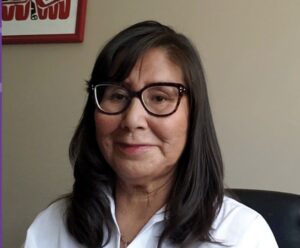
Rebecca Many Grey Horses, MA, BA
Blackfoot-Kainai
Oki I tsinohtss piyaki is a Blackfoot woman from the Kainai Nation in Southern Alberta. Her traditional Blackfoot teachings and upbringing has given her the skills to educate on Blackfoot perspectives and worldviews. Having a MA in Jurisprudence in Indian Law provides the academic background to consult, educate, and work in many areas. Rebecca loves to teach about Indigenous/ Blackfoot stories, traditions, and perspectives.
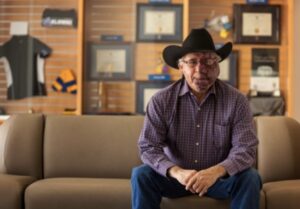
Mike Bruisehead, PhD
Blackfoot
Ninna Piiksii is a fluent Blackfoot speaker and a spiritual leader for sacred societies. He is the first to complete his PhD in Cultural, Social and Political Thought at the University of Lethbridge where his research focused on restoring the Blackfoot names of the mountains, valleys, trails and waterways in Paahtómahksikimi and across traditional Blackfoot territory.